
Founding and History
The Museum Biberach looks back on a 120-year history and owes its existence to the voluntary commitment of Biberach citizens.
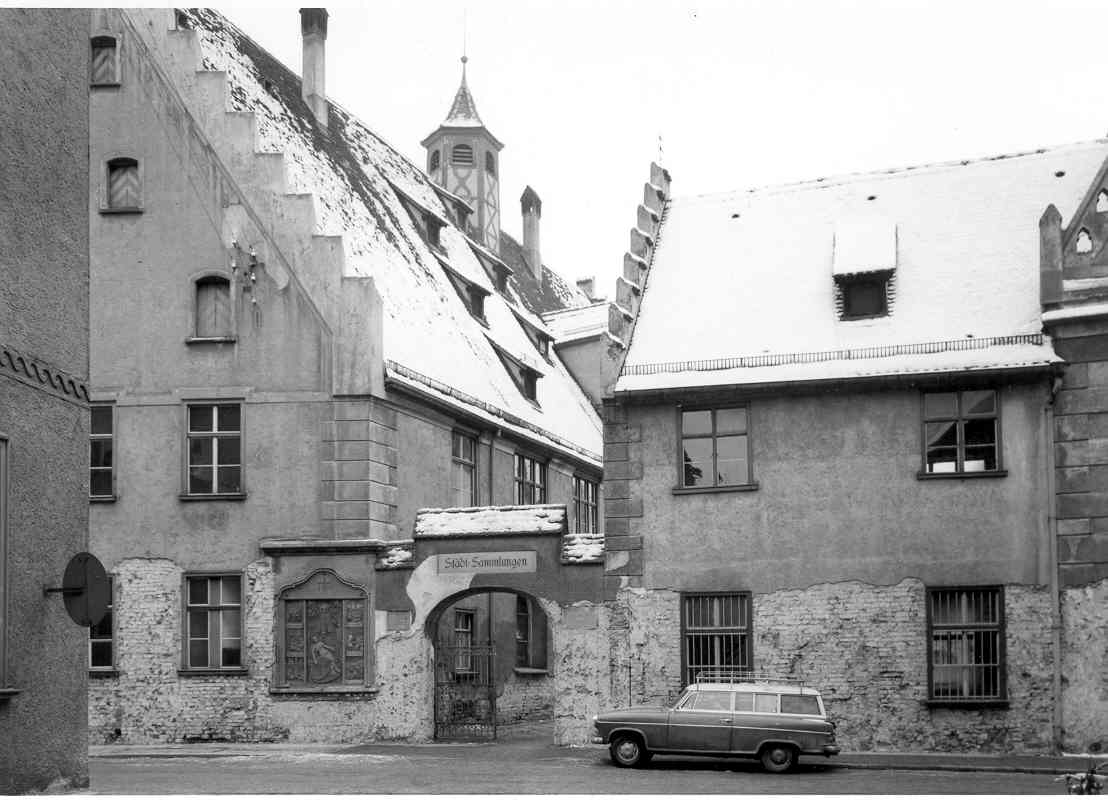
As early as 1898, Dr. Josef Probst (1823-1905), a priest from Unteressendorf, laid the foundation for the subsequent municipal collections by donating his abundant natural history collection alongside precious Gothic statues and panels to the town of Biberach. The course for a natural history museum seemed to be set. However, while the oberschwäbische Naturkundeverein’s (Upper Swabian Natural History Association) plans for this model stagnated, the multi-branch concept for a municipal museum, which would include subjects relating to natural history as well as art and regional history, found increasing favor with the citizens. On November 26, 1901, the Biberacher Kunst- und Altertumsverein (Biberach Art and Antiquity Association) [today the Gesellschaft für Heimatpflege (Association for the Preservation of Regional Culture)] was founded to implement this idea. Not long after this event, the minutes from a local council meeting on April 18, 1902, mention the appointment of a commission for the administration of the municipal museum’s collections. On July 21, 1902, the daily local newspaper Anzeiger vom Oberland published regular opening hours. This was the official birth announcement of the Biberach Museum.
Besides the Probst Collection, the estates of the animal and landscape painters Anton Braith (1836-1905) and Christian Mali (1832-1906) make up the core of the Biberach Museum’s collection. The financial contributions linked to these estates enabled the construction of new rooms which opened in 1906. The town thanked its honorary citizen Anton Braith for his posthumous donation by renaming the municipal collections »Braith Museum«. After Mali’s death and the relocation of both artists’ studios from Munich to Biberach, the institution became the »Braith-Mali-Museum«.
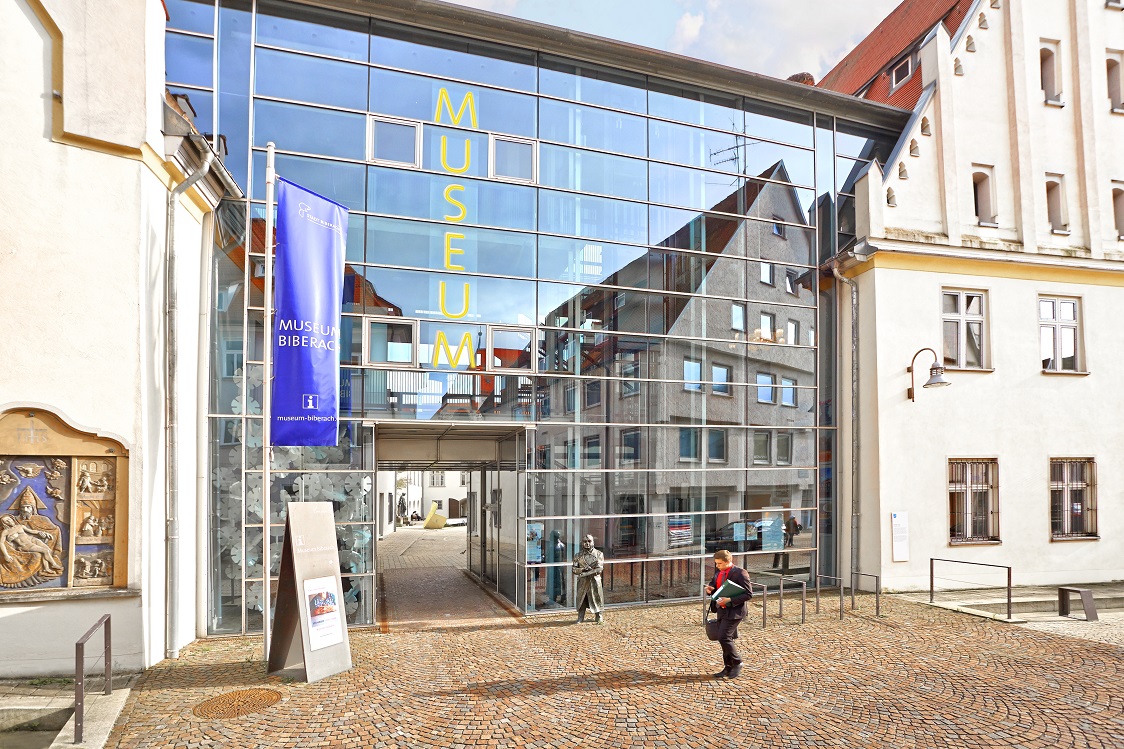
In the 1960s, the Museum Biberach received further essential additions with the archaeological collection of the Biberach dentist Heinrich Forschner (1880-1959), which has since been placed under monument protection, as well as significant works by the Baroque painter Johann Heinrich Schönfeld (1609-1684) and the Expressionist Ernst Ludwig Kirchner (1880-1938).
Extensive refurbishments from 1964 to 1967 and from 1991 to 2001 eventually led to the Museum Biberach’s contemporary form. The glass connecting structure is the most noticeable architectural modification. With over 50,000 unique pieces from the fields of art, history, natural history, and archaeology, the Museum Biberach comprises one of the most important communal collections in Baden-Württemberg.